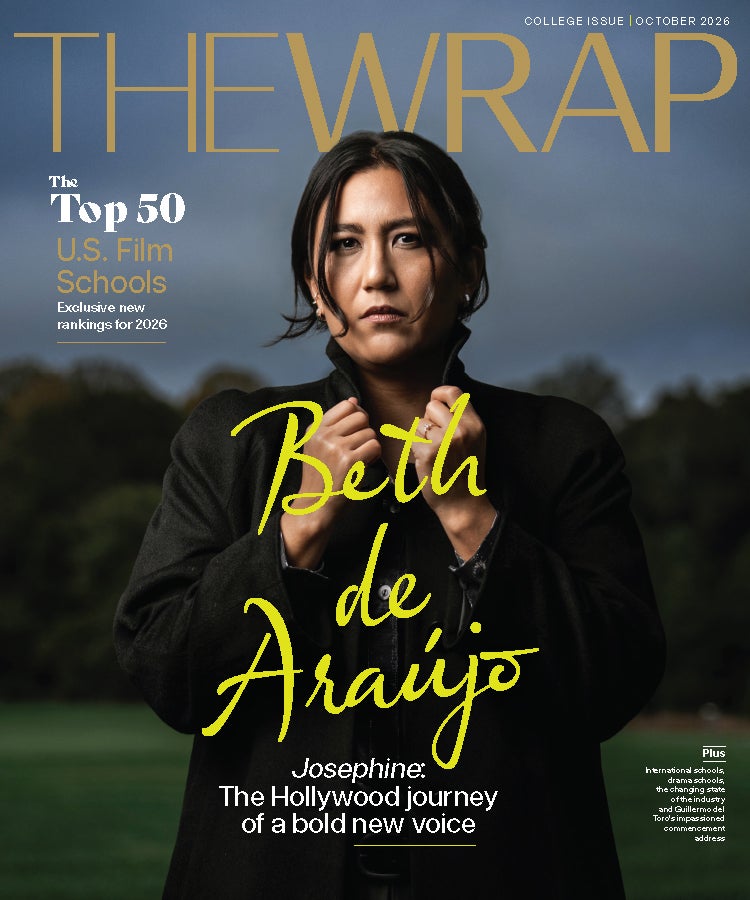
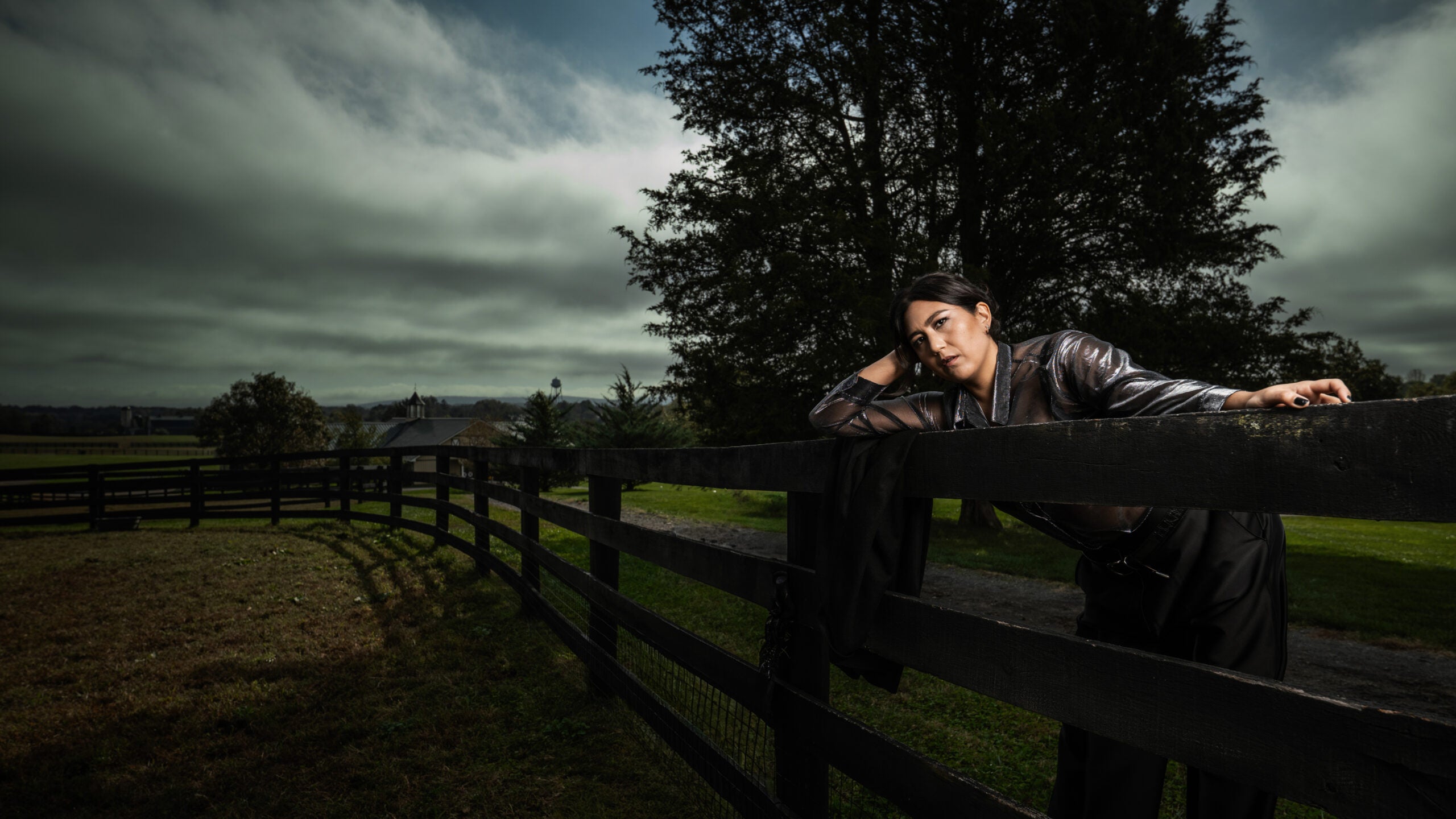
Some students have a lifelong dream of going to film school. Beth de Araújo did not.
Araújo started her higher education journey as a student of sociology rather than cinema. It wasn’t until 2011, a few years after she’d received her undergrad degree from University of California, Berkeley, that she went to the AFI Conservatory for graduate school. There, she learned that she wanted to be not just a screenwriter but also a director capable of bringing her own ideas to life.
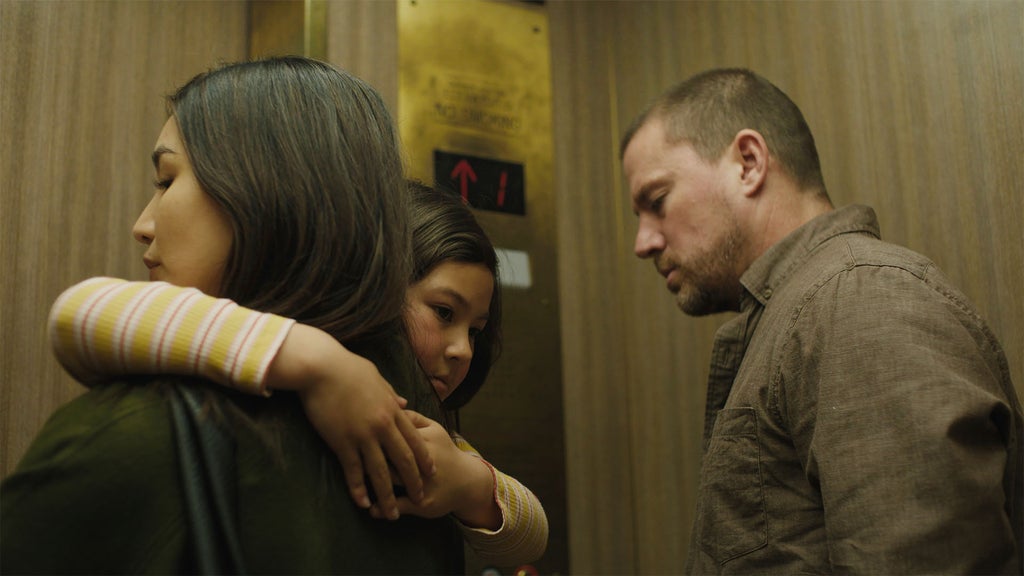
And that she did. In January 2026, more than a decade after finishing her two-year graduate program, Araújo traveled to the Sundance Film Festival to premiere her sophomore feature, “Josephine.” The film, initially developed at the Sundance Institute screenwriting and directing labs in 2018, is based on an experience from Araújo’s childhood. It follows an 8-year-old girl (played by first-time actor Mason Reeves) who witnesses a rape in Golden Gate Park and struggles to understand the trauma she’s seen.
“Josephine,” which stars Gemma Chan and Channing Tatum as the girl’s parents, went on to win both the U.S. Dramatic Competition Grand Jury Prize and the U.S. Dramatic Competition Audience Award at Sundance. Filmmakers such as Ryan Coogler and Damien Chazelle pulled off this feat early in their own feature careers, with high-profile, Oscar-winning projects soon to follow. Araújo sat down with TheWrap to talk about her unique path to film school and how it set her up for success on the festival circuit.
When did you know that you wanted to go to film school?
I applied when I was 25, I believe. I had moved down to L.A. around a year before to try to pursue screenwriting. I was waiting tables, writing scripts every day, and then I was like, “I don’t know what to do with these.” Besides applying for the Nicholl [the Academy’s Nicholl Fellowships in Screenwriting], what do you do if you don’t know anyone?
I didn’t know a single person here when I moved to L.A., so I think that’s part of why. I was like, “This will help me get a network. I have so much more foundation in poetry, and I’ve just been reading scripts and reading books on screenwriting, but it might be nice to feel what the community is like.” I applied to a couple, and I feel like I’ve learned over the years that sometimes your institutions choose you more than you choose your institutions. You don’t even realize what you need and where you belong until they tell you, “You belong with us.”

The Top 50 Film Schools of 2026
You studied sociology in undergrad. Tell me about that.
I was playing soccer for Berkeley and really not enjoying my time. I think sociology was the only thing where I felt like the classes even spoke to me at all. It didn’t feel like work, and I actually should have had a minor in African American Studies. But when I went to graduate, they were like, “Oh no, this one class you took doesn’t apply toward the minor” — public school s—.
But it was actually at Berkeley where I took my first film class. It was the History of Native Americans Portrayed in Cinema, and that was fascinating. I think I took it also because I had loved film since I was a kid, but I had written a lot of poetry in all of those classes. June Jordan, this epic poet, had started this class at Berkeley called Poetry for the People, and that was really the blossoming of my love for writing. So while I was taking sociology classes, I was taking a lot of poetry classes as well. I look back now and I think that education really informs how I write.
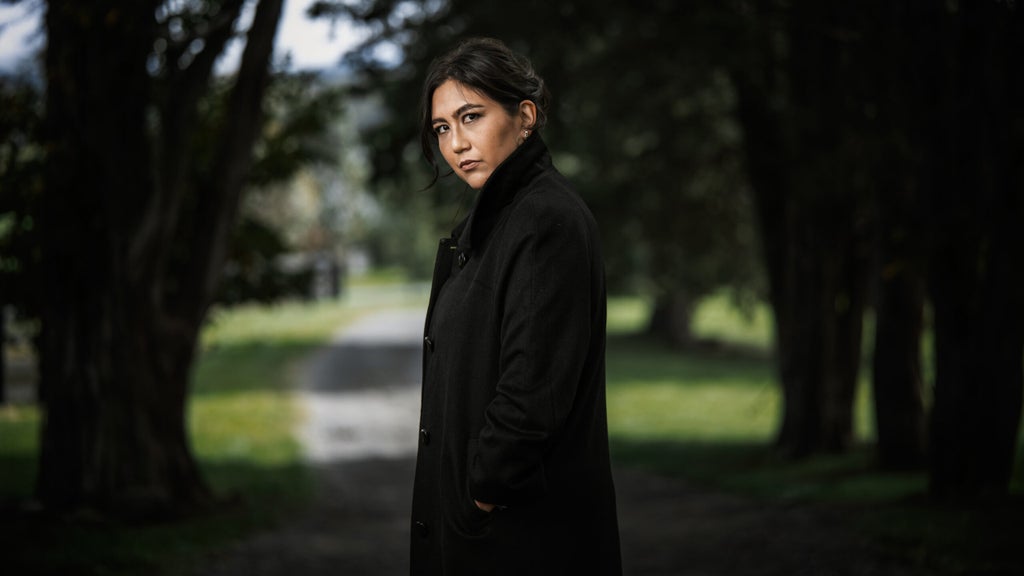
Did you know that you wanted to make movies when you were young?
F—, no! I played soccer. That was what my life was, and it was what I was good at and what I identified with. Whenever soccer practice got rained out, it would be like, “What do you want to do, Beth? It’s your time. You can choose what you want to do now,” and I would be like, “Oh, I’m going to the movies, obviously.”
I loved when it was Friday night and I could walk across the street to my Blockbuster and my sisters and I would pick three movies, one for every day of the weekend — and then back to normal after that. It was just not something tangible to me at all. It was nothing my parents understood. They really tried to convince me not to move down to L.A. to pursue screenwriting. It just felt so foreign to them — and it was to me, too.
What was going through your head when you got to AFI? Were there nerves, imposter syndrome?
Very much. At AFI, there are people who could say the cinematographer of every single movie that ever existed, and I was like, “I love poetry!” But it’s a small school, it’s a small campus and it’s just film, so you can really go for it. You can really engross yourself in all the different disciplines. I tried to audit classes from every single discipline when I had time.
What were some of the biggest lessons you learned while you were at AFI?
God, so much. When I started writing screenplays, I started overthinking it in a way where I would say, “This is a cool idea” or “This movie really worked, so this movie will really work” instead of being like, “What do I want to write about? What is me? What am I fascinated by?” AFI gave me that back in some way through a few teachers and a few courses, really leaning into life. It’s that Oscar Wilde quote “Be yourself. Everyone else is already taken.”
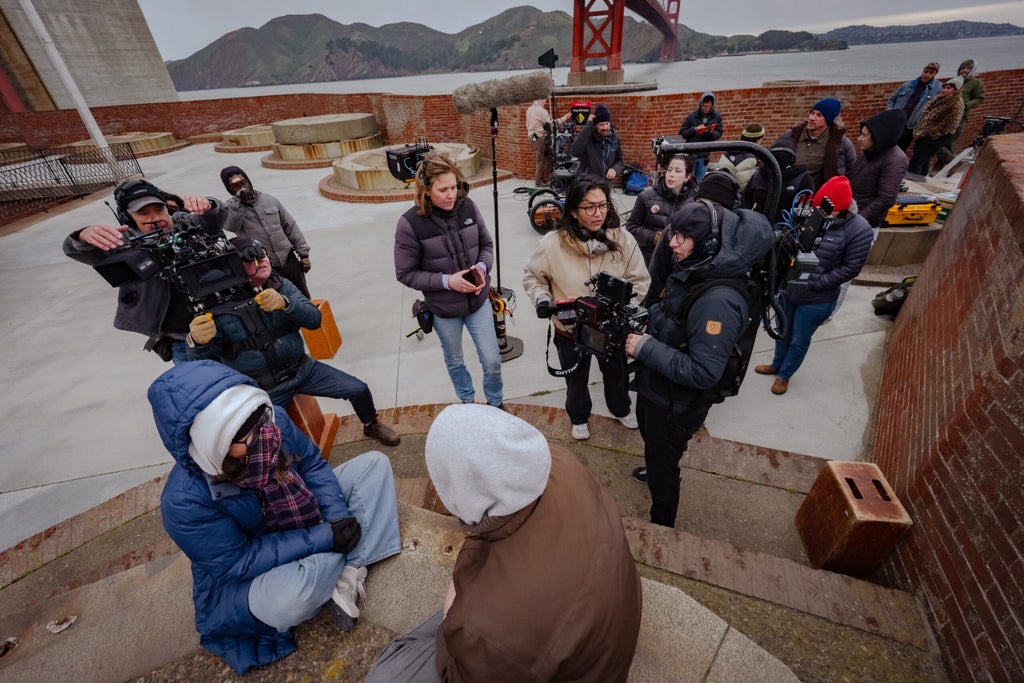
Is this when you learned you wanted to direct?
I figured it out pretty quickly. I think once I got there, the world busted open for me. I mean, I had no idea what a cinematographer was supposed to be doing, and so I had this gnawing feeling even as we were getting started like, “Damn, should I have gone in for directing?” Then I was like, “Well, I couldn’t have because I’ve never directed anything. I don’t know how to direct anything. But I’m starting to have the sense that I’m going to want to.” That’s why I tried to audit a few of those classes too. Writing for your own directing is very different from writing to sell or to give someone else, so I think I started being OK with focusing on writing for myself.
Are there connections that you made there who worked on your features?
On “Josephine,” I had a line producer. I had a cinematographer who did our reshoots who’s one of my dearest friends. Then the editor — I call her “Saint Anisha” (Acharya) — went to AFI with me, and we really spoke the same language. That really helped in the end. My partner calls her the “Beth Whisperer.” Sometimes people cannot get through to me, but she could.
People have a hard time saying the word ‘rape,’ because, understandably, it makes people really uncomfortable. But if we can’t even say the word, how are we ever going to try to figure out how to manage this better?
Was “Josephine” rattling around in your brain while you were at AFI, or did it come afterward?
It was one of the first things I wrote after I graduated. It wasn’t any of my thesis work. I remember hitting a dead end with agents and managers sending out all of my thesis portfolio. People gave soft interest, and then I published a short story that I used to apply to the AFI Directing Workshop for Women, which is a free summer program.
I had been in the early stages of developing and writing “Josephine,” and I had told my thesis-mentor professor, Michael Urban, that everything was kind of stalled for my portfolio. And he was like, “You just have to keep going and doing more things. You can’t try to dine on these few scripts. Just keep writing.” He helped me through a lot of that with “Josephine.” He’s a very dear friend, and he still reads every single thing I write.
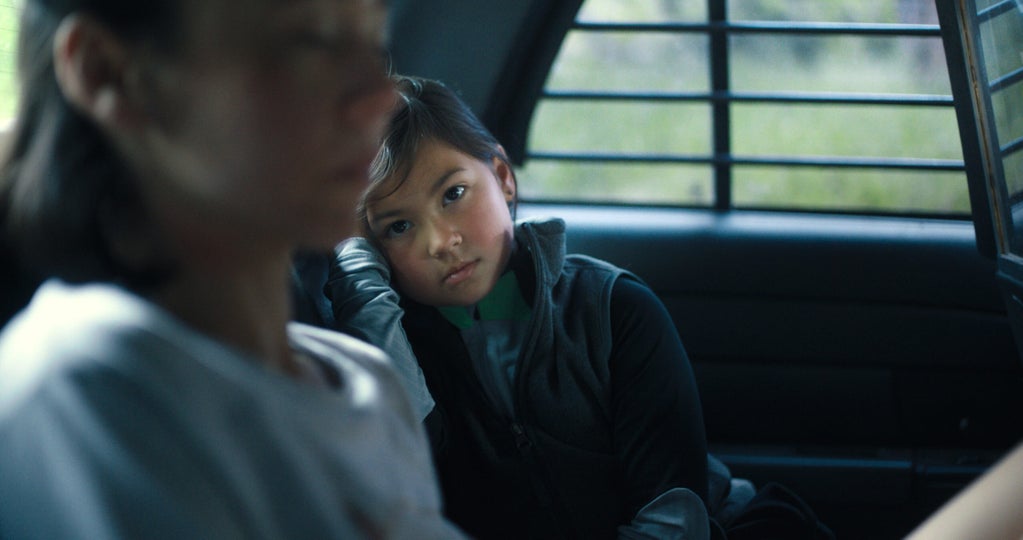
How did you move your career forward after graduation?
Someone pointed out to me, “You shot five short films in five years.” I recognized you need short films in film festivals to be able to get a feature up off the ground, and I wanted to start parlaying that into directing. So I just started. And, you know, they’re fine. [Laughs] You learn a lot each time, and you just keep going.
It was so ambitious to then do “Soft & Quiet,” your 2022 90-minute debut feature that was all designed as one shot.
It was the only thing that I could get money for. Because we shot it in four days, that made it so much cheaper. I needed to shoot this four times in a row, and each time it would get better. And I needed four days of rehearsal. I needed eight days of people’s time, and enough money for eight days of shooting, and enough money for me to be able to take off work for a month. So we just did that. It didn’t feel ambitious at the time. It felt like the necessary structure.
Eight years later, with “Josephine,” you won the illustrious double crown at Sundance with the jury prize and the audience prize. I would hope that’s opened some doors for you professionally.
I definitely got more scripts sent to me, and with bigger budgets than previously, for sure. We’ll see. That feels like a new door. But as someone who writes and self-generates, that’s always also an option, and I’ve met quite a few people on this journey now who I feel very confident would be interested in helping me get something off the ground that hopefully wouldn’t take me 12 years.
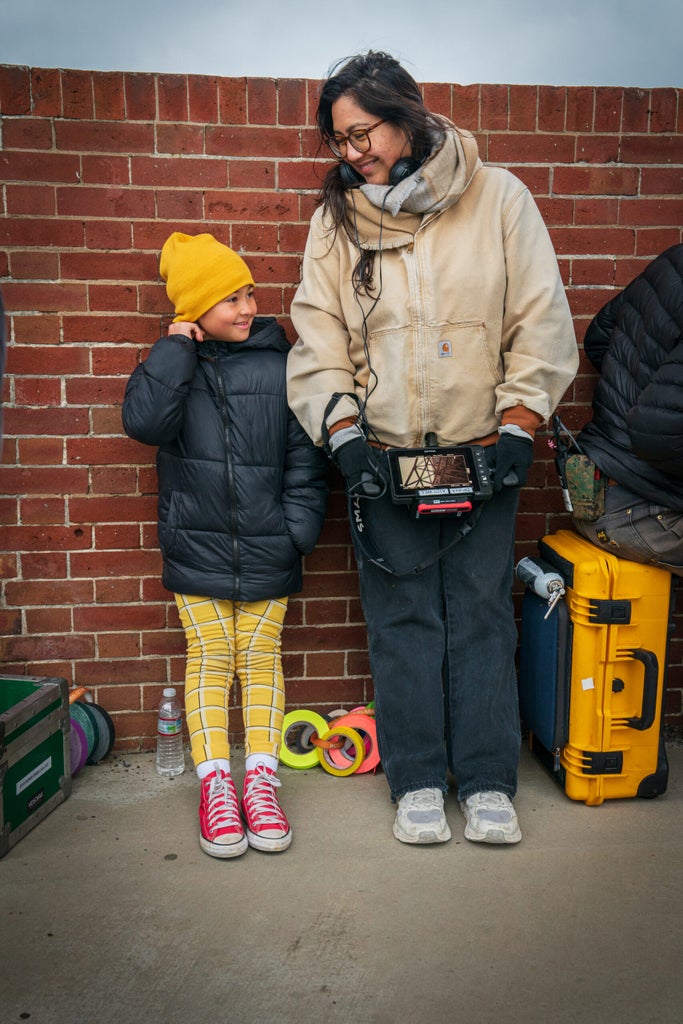
At the Critics Choice Celebración of Cinema & Television recently, you talked about how you and your father witnessed a rape, the incident that inspired “Josephine,” and about the Cornell gang-rape accusations. Do you think the film has not necessarily a new importance, but importance in this current moment, given the reckoning that college campuses are facing with Cornell?
I certainly don’t think it’s new, like you said. This is why I felt such a conviction to keep going with it, because if you are either a victim of sexual assault or love someone who has been a victim of sexual assault, which is a lot of people, you know how rampant this problem is and how little is done about it. I think that certainly helps me keep my drive for it, because it’s not one that anyone is dying to make, you know? It’s not something where financiers are like, “Oh, big money.”
I recognize so many patterns and so much that could be done to minimize it, and it just doesn’t happen. I think that’s what is pretty crazy about this topic. There’s no space for people to be able to speak about sexual assault openly in society. People have a hard time saying the word “rape,” because, understandably, it makes people really uncomfortable. But if we can’t even say the word, how are we ever going to try to figure out how to manage this better?
If you could give one piece of advice to a college student or a prospective college student reading this, what would you want to say?
Whether in school or not, just keep creating — and if you love it enough, you will. I think if you need it enough, you will. Just keep generating work. You can’t just fixate on one project. You really need to just keep generating.
This story first ran in the College Issue of TheWrap magazine. Read more from the issue here.